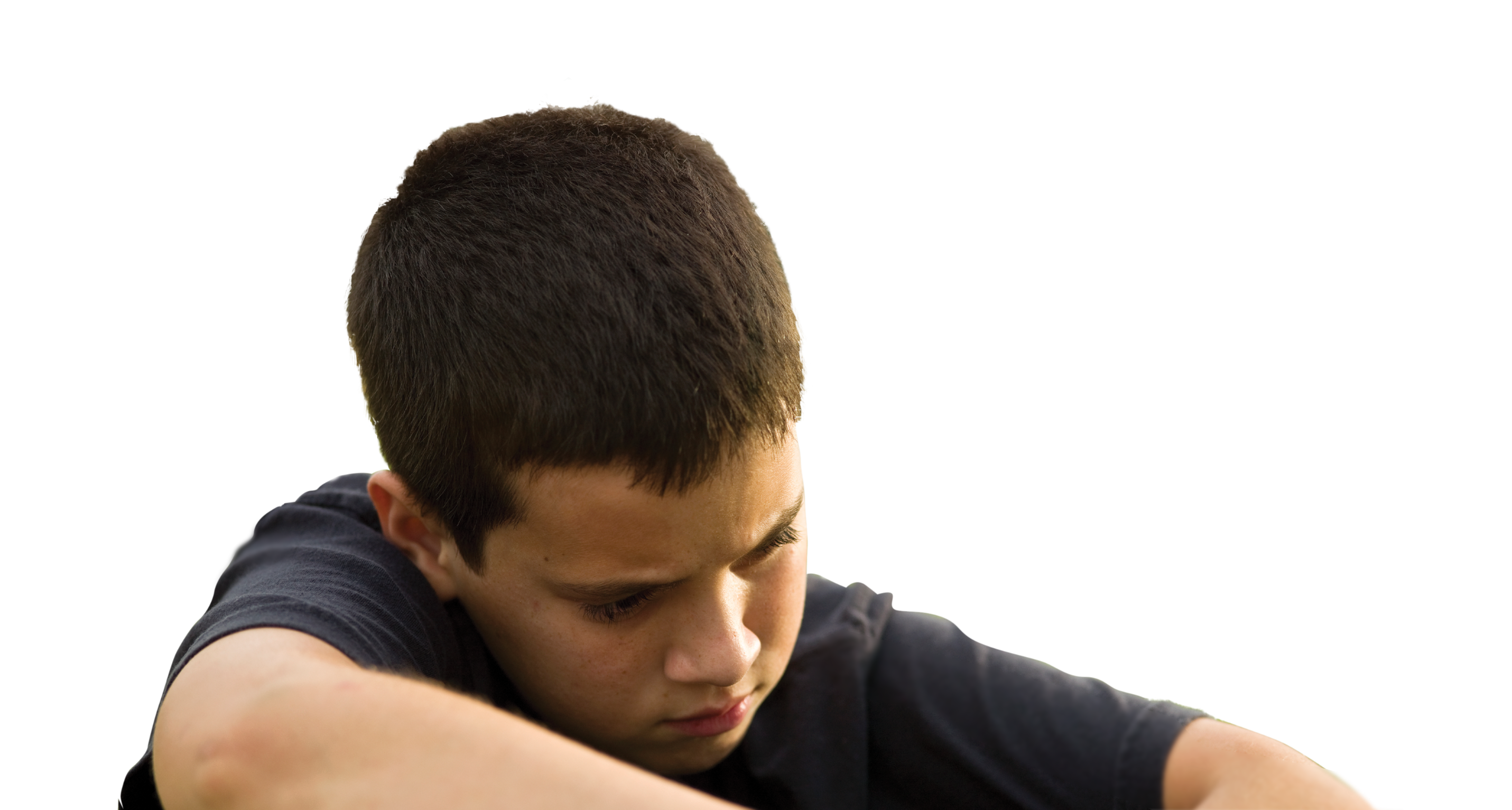
Bullying isn’t always shoving in the hallway.
A lot of the time, it looks like “just joking.”


Bullying is when someone keeps hurting, scaring or putting down another person on purpose.

Words
Name-calling, insults, threats, mean comments about how someone looks or talks

Identity
Jokes or put-downs about someone’s culture, tribe, family, skin color or where they’re from, or saying they’re not “Native enough”

Social
Spreading rumors, leaving someone out on purpose, getting others to turn on someone

Physical
Hitting, tripping, pushing, taking or breaking someone’s stuff

Online
Mean messages, posts or comments, sharing screenshots or photos to embarrass someone, group chats made to talk about someone
It’s joking when…

It stops when someone says “not cool.”
It’s between equals.
It happens once and it’s over.
It’s bullying when…
It keeps going, or gets worse.
One side has more power: more friends, more followers, older, bigger.
It happens again and again.
It’s not your fault. Nobody deserves to be bullied.
Tell an adult you trust.
A parent, grandparent, auntie, uncle, cousin, elder, coach, teacher or school counselor. If the first person doesn’t help, tell someone else.
Report it at school.
Talk to a school counselor, trusted teacher or Indian Club teacher.
Don’t fight back.
Walk away and stay near friends or adults.
If it’s online, save it.
Take screenshots before you block or delete.
Do things that make you feel like you.
Spend time with people who treat you well.
Feeling hopeless or thinking about hurting yourself? Call or text 988. It’s free and open 24/7.
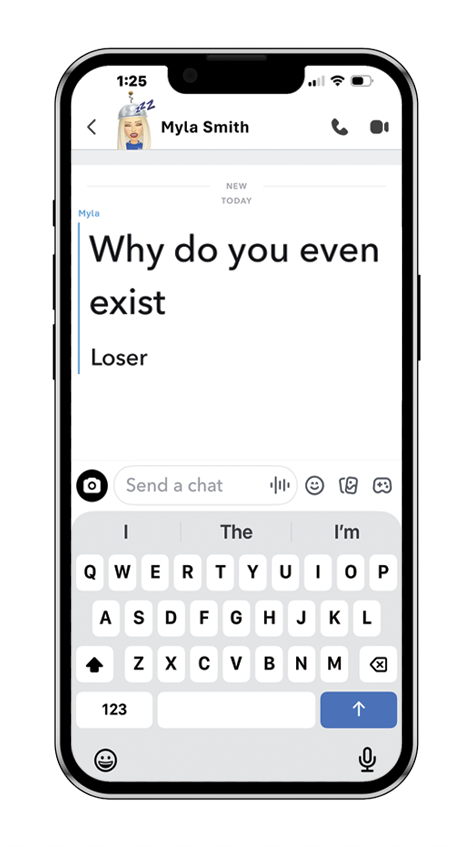
A mean message takes seconds to send. The hurt lasts much longer, and online it can follow someone home.
Kids often don’t tell adults they’re being bullied. Watch for changes like these:
Find people to talk to, ways to report and more.

This project is supported by the Substance Abuse and Mental Health Services Administration (SAMHSA) of the U.S. Department of Health and Human Services (HHS) as part of a financial assistance award totaling $250,000 with 100 percent funded by SAMHSA/HHS. The contents are those of the author(s) and do not necessarily represent the official views of, nor an endorsement, by SAMHSA/HHS, or the U.S. Government.
Statistics: Oklahoma ODMHSAS – 2023–24 OPNA/FY25 School Prevention Evaluation.
© Idea Engineering Inc. Campaign & Toolkit licensed for use. All rights reserved